A stallion can infect dozens of mares without ever coughing or showing the slightest fever. That is the treacherous nature of equine viral arteritis (EVA), a viral disease that primarily targets reproduction. Just like other respiratory conditions such as equine influenza: prevention and sanitary measures, your real margin for maneuver relies on anticipation and strict daily biosecurity.
The virus remains discreet, but it continues to circulate. According to the USDA, vigilance remains essential for both your broodmares and breeding stallions, especially during the breeding season when movement peaks across the country.
What the Virus Does in a Breeding Operation
The causative agent is an arterivirus, an RNA virus belonging to the Arteriviridae family, specific to equids and not zoonotic to humans. There are several strains with varying degrees of virulence.
Good news for on-site management: this virus is fragile in the external environment. It does not persist for more than 24 hours on inanimate surfaces such as a feeder, trailer, or tack, and standard disinfectants easily destroy it. Respiratory transmission requires close contact between horses through the inhalation of aerosols from an animal in the clinical phase (nasal discharge, tears, urine, manure). The other entry point, the venereal route, occurs when a shedding stallion breeds mares naturally or via artificial insemination.
Clinical Signs That Should Alert You

The disease manifests in very variable ways depending on age, immunity, and the specific strain. The most frequent signs include hyperthermia, nasal discharge, lethargy, anorexia, and dependent edema, particularly in the stallion's scrotum or sheath. These symptoms resemble those of equine flu or rhinopneumonitis (EHV), hence the need for laboratory confirmation.
In broodmares, abortion generally occurs 2 to 4 weeks after respiratory exposure, sometimes without any prior clinical signs. Not all infected mares abort. In stallions, transient subfertility is observed for 6 to 8 weeks. Foals remain the most vulnerable: severe cases can be fatal in young foals under one month of age.
Stallion Carriers: The Invisible Reservoir
This is the critical factor in any breeding farm. Following primary infection, most mares and geldings completely clear the virus and stop being contagious within a few weeks. However, a stallion can harbor the virus in the accessory sex glands of his reproductive tract and become an asymptomatic carrier, showing no symptoms whatsoever and no alteration in semen quality.
This carrier state is far from marginal. Viral persistence in the reproductive tract occurs in a significant percentage of primary-infected stallions. Shedding, which is testosterone-dependent, can last from a few months to the rest of the animal's life. A single shedding stallion left unnoticed is enough to trigger an outbreak through artificial insemination. This highlights the importance of accurately tracking the serological status of every stallion. On this point, our connected veterinary health record and breed registry integration allow you to centralize lab results and your broodmares' gestation history without manual reentry.
How to Make a Diagnosis
In the face of any scrotal edema, respiratory signs, or unexplained abortion, virus detection is mandatory. Two main approaches complement each other. PCR testing directly detects the viral genome on a nasopharyngeal swab, stallion semen, or fetal and placental tissues following an abortion.
Serology looks for antibodies. Serum neutralization is the gold standard technique for reproductive viral arteritis. One point to keep in mind: antibody titers decrease very slowly, meaning a horse that has encountered the virus may remain seropositive for years, or even for life. A positive result in a stallion signals a contagious risk for the mares he covers.
Prevention, Biosecurity, and Vaccination in Breeding Farms

The fragility of the virus in the environment works in your favor. Systematic quarantine for new arrivals, a directional workflow in daily chores (from least exposed to highest risk), disinfection of shared equipment, and dedicated clothing per group are enough to break most indirect transmission chains. These biosecurity habits apply to all contagious diseases, much like the protocols implemented for equine infectious anemia: understanding the disease.
Vaccination completes the strategy, primarily for breeding stallions and animals previously tested seronegative to preserve the value of serological screening. Many major breed registries now incorporate stallion screening into their breeding approval requirements. To manage these boosters and gestations seamlessly, our reproduction tracking and advanced statistics alert you at the right time.
Key Takeaways for Your Breeding Operation
The threat of equine viral arteritis does not come from a dramatic epidemic, but from an asymptomatic carrier stallion shedding the virus in his semen without showing a single sign. A well-monitored herd is a protected herd: test your breeding stock before the breeding season, isolate newcomers, vaccinate seronegative animals, and track every serological status. Documentation rigor matters just as much as clinical observation, as it prevents you from discovering a problem after breeding has already begun.
Take Action with Foalia
Keeping track of health statuses, vaccine boosters, and the gestations of dozens of premier broodmares can quickly become overwhelming. When equine viral arteritis requires you to know the serological status of every sire at any moment, a single forgotten entry can cost an entire breeding season.
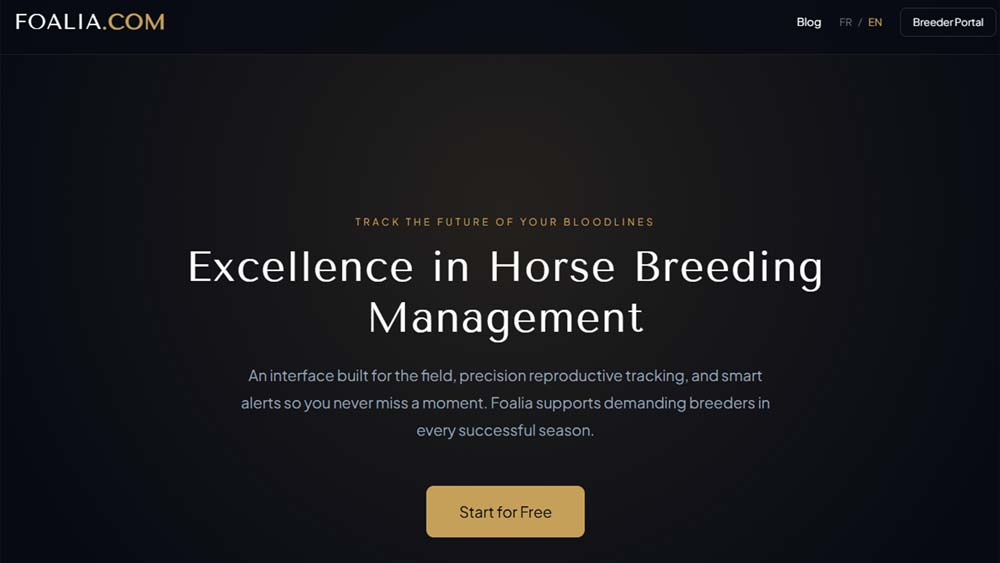
We centralize your herd management with automated registry data imports, a complete history of your broodmares' pregnancies, a veterinary health record with automatic booster date calculations, and reproduction monitoring paired with foaling alerts. Discover our equine breeding management platform and finally lighten your daily mental load.
Frequently Asked Questions
Is equine viral arteritis dangerous for humans?
No. The virus exclusively infects equids and is not zoonotic. The risk concerns solely your horses, particularly pregnant mares and young foals.
Can a recovered stallion remain contagious?
Yes, this is the main danger. A portion of infected stallions become asymptomatic carriers and shed the virus in their semen for months, sometimes for the rest of their lives. They only infect mares they breed naturally or artificially.
Should I vaccinate all my mares?
Vaccination primarily targets breeding stallions and high-risk animals, administered to subjects previously tested seronegative. Discuss the appropriate protocol for your farm with your veterinarian based on your breeding goals.
How do I know if a horse has been exposed to the virus?
A serological test, such as serum neutralization, detects antibodies and reveals past exposure. A PCR test on a swab or semen directly searches for the virus. These two tests complement each other depending on the clinical context.
How can I keep reliable records of screenings and boosters?
Traceability is your best protection before the breeding season. Our connected veterinary health record centralizes test results, calculates vaccine booster dates, and syncs with your registry data to prevent any redundant data entry.


