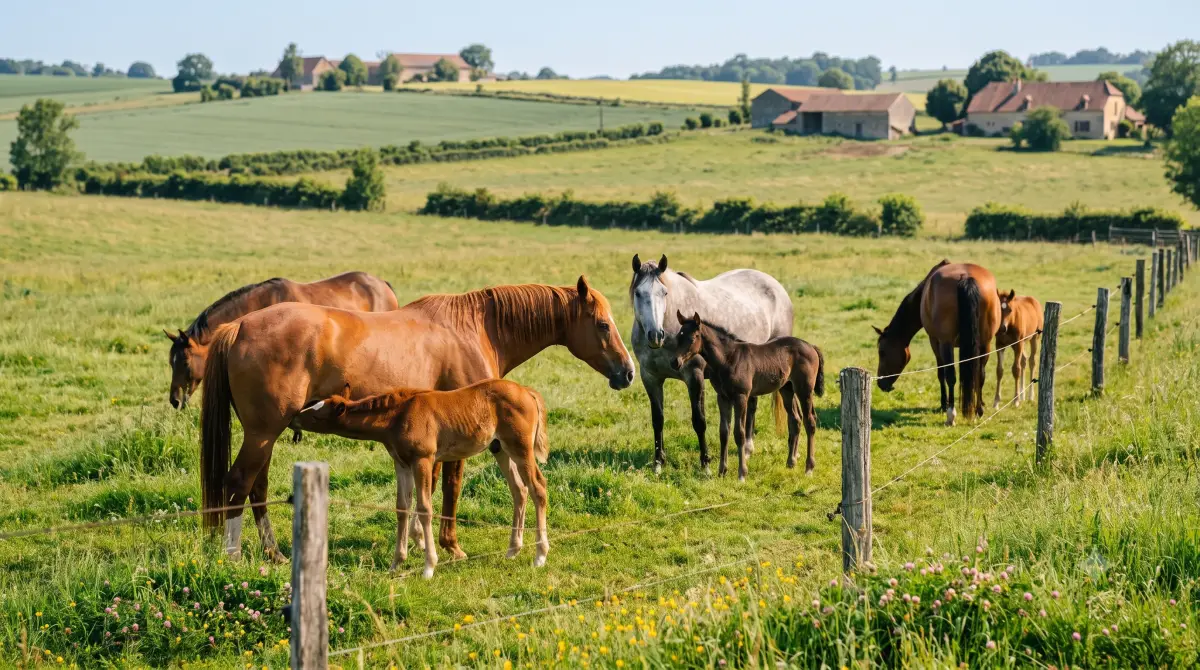
Emerging decades ago as a significant reproductive threat, this venereal infection can bring an entire breeding season to a halt without ever causing fever or visible clinical signs. A broodmare returning to estrus, a seemingly healthy stallion spreading the bacteria—this is how an entire farm can be compromised. To limit this risk, strict biosecurity is essential, as outlined in our equine biosecurity and barn management guide.
Contagious Equine Metritis does not cause mortality, but its economic impact on a breeding operation can be severe. According to veterinary research sources, the disease requires strict quarantine and regulatory oversight governed by the USDA and state veterinarians.
Understanding the Pathogen and the Disease

The causative bacterium is Taylorella equigenitalis. It colonizes the reproductive tract without invading the rest of the body. The infection remains localized strictly to the genital organs, leaving the horse's general health seemingly unaffected.
This bacterium possesses a formidable survival capability. Equine health authorities note that it can persist for several months in the reproductive tract, particularly in the clitoral fossa of the mare and the urethral fossa and prepuce of the stallion. However, it remains fragile in the external environment, being sensitive to light, drying, and standard disinfectants.
Two biotypes exist—one susceptible and one resistant to streptomycin—which can sometimes complicate treatment. To date, there is no commercially available vaccine for CEM, making prevention and rigorous testing the cornerstone of disease control.
How the Infection Spreads Through Your Operation
The primary mode of transmission is direct venereal contact. Natural live cover with a contaminated stallion or infected mare carries the highest risk. However, artificial insemination (AI) using fresh, cooled, or even frozen semen can also transport the bacteria if proper donor testing is overlooked.
Indirect transmission is often underestimated. Inadequate hygiene during breeding, poorly disinfected tack or breeding equipment, or cross-contamination via handlers can easily spread the agent. This is why strict adherence to biosecurity protocols in breeding sheds is critical.
Stallions play a particularly tricky role by frequently becoming asymptomatic carriers, acting as the primary reservoir for the bacterium. A stallion that appears entirely healthy can successfully breed and contaminate multiple mares over a single season without any outward signs.
Recognizing Signs in Mares and Stallions
In mares, clinical signs are not always obvious. When present, they typically manifest as mucopurulent vaginal discharge, endometritis, and decreased conception rates. Many mares, however, remain silent carriers, making regular gynecological monitoring essential.
In stallions, there are simply no visible symptoms. Carrier status is common and silent. This discrepancy between a lack of clinical signs and high contagiousness is what traps many horse owners: the first clue is often a mare failing to settle or repeatedly returning to estrus.
Foals born to carrier dams can also become infected, perpetuating the chain of infection across generations if protocols are ignored.
Testing and Diagnosis: Best Practices
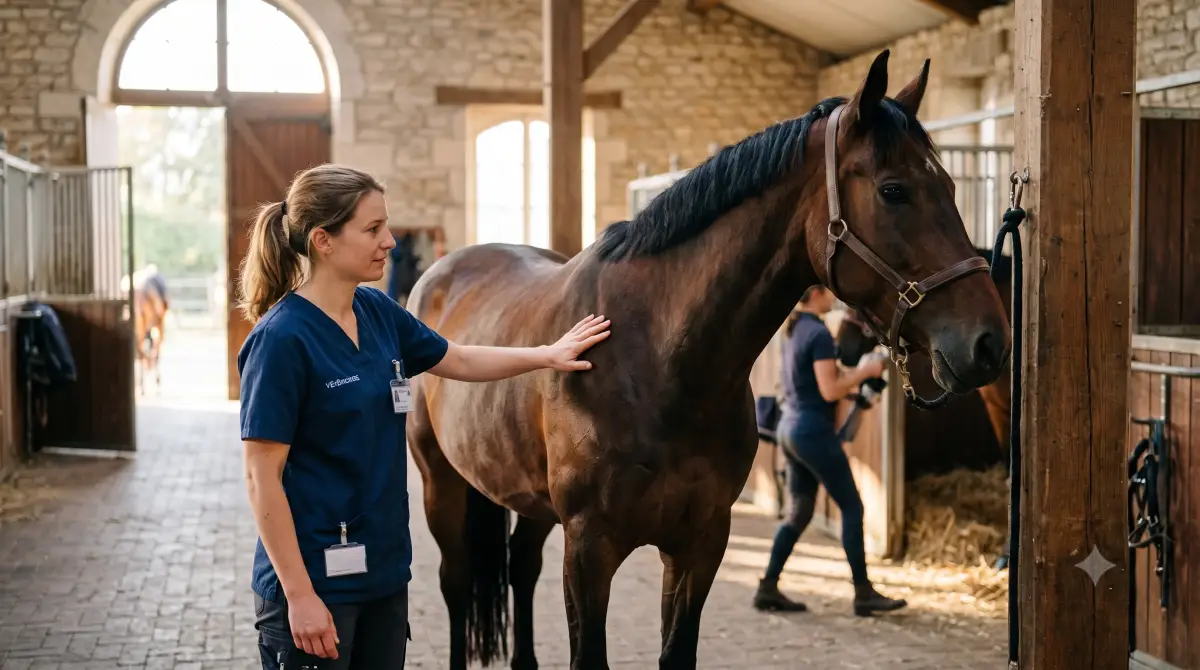
Diagnosis relies on swab collection from specific sites where the bacteria persist. For mares, swabs are taken from the clitoral sinuses and fossa, cervix, and endometrium; for stallions, from the prepuce, urethral fossa, and urethra.
These samples are highly perishable. Approved veterinary diagnostic laboratories perform bacterial culture and PCR testing under strict regulatory standards. Samples must be shipped chilled, without freezing, in specialized transport media. Rapid transport to an accredited lab is vital for accurate results.
Testing is mandatory for certain interstate movements, import requirements, and breed registry rules, and is strongly recommended for all breeding stock. Because the bacteria can intermittently shed in low numbers, repeat testing is often required before a clean bill of health is granted. A well-maintained health history simplifies this process, much like our guide on foal pneumonia and health tracking illustrates.
Prevention, Biosecurity, and Regulatory Compliance
Prevention relies on straightforward yet non-negotiable practices: never breed a mare showing abnormal discharge, wear disposable gloves changed between each animal, and thoroughly disinfect breeding equipment between uses. These reproduction hygiene rules cut off cross-contamination.
From a regulatory standpoint, CEM is a reportable disease closely monitored by the USDA and state veterinarians. Any positive case must be immediately reported to regulatory officials to initiate containment protocols. This level of vigilance mirrors other vital equine health programs, such as managing equine influenza outbreaks.
Safeguarding Your Breeding Seasons for the Long Term
Contagious Equine Metritis is silent and stealthy, yet capable of ruining an entire breeding season. Your best defense is a simple combination: screen breeding stock at the right time, maintain flawless hygiene during breeding, and document every sanitary procedure. By accurately tracking the status of your mares and stallions, you transform a hidden threat into a controlled risk, protecting your herd's fertility year after year.
Take Action with Foalia
Managing lab results, scheduling veterinary cultures, and tracking breeding dates alongside health statuses places a heavy mental burden on equine breeders. When your data is scattered across notebooks and emails, the risk of missing a required test during peak breeding season increases dramatically.

With our equine breeding management platform, you can centralize your veterinary health records, automated breeding logs, and broodmare reproductive histories in one place. Discover our farm management platform and take full control of your biosecurity and traceability.
Frequently Asked Questions
Is Contagious Equine Metritis dangerous to humans?
No. Taylorella equigenitalis is not known to infect humans. It is strictly an equine disease with no documented zoonotic risk.
Is there a vaccine available for CEM?
No, there is currently no effective vaccine available. Disease control relies entirely on screening breeding stock, practicing strict shed hygiene, and enforcing biosecurity protocols.
How can I know if my stallion is a carrier?
Only mucosal swabs analyzed by an accredited veterinary laboratory can confirm carrier status, as stallions display no visible symptoms. Due to intermittent shedding, multiple successive negative cultures are often required.
Can a cured mare remain contagious?
Yes. Some mares can become asymptomatic carriers, with bacteria persisting for months in the clitoral region. A documented series of negative lab results is mandatory before returning her to the breeding shed.
Organized record-keeping prevents missed tests or lost lab results. Our connected veterinary health records and automated breeding management platform centralize health statuses, swab dates, and gestation histories for every broodmare on your ranch.


