A single fever unnoticed in the morning can shut down an entire facility by evening. In the American horse industry—where horses travel thousands of miles between shows, rodeos, and breeding farms—Equine Herpesvirus Type 1 (EHV-1) remains one of the most stealthy and financially destructive infectious threats. When EHV-1 mutates into Equine Herpes Myeloencephalopathy (EHM), the neurological form of the disease, it brings show circuits to a standstill, forces immediate USDA-APHIS state quarantines, and poses a fatal risk to infected equines.
Following high-profile multi-state outbreaks linked to major equine gatherings across Texas, Oklahoma, and the Western United States, animal health officials, including the Equine Disease Communication Center (EDCC) and the American Association of Equine Practitioners (AAEP), have reinforced one clear message: vaccination alone cannot prevent EHM outbreaks; strict, traceable biosecurity is your primary defense line.
Understanding EHV-1 and EHM: The Virus in Stealth Mode
Equine Herpesvirus Type 1 (EHV-1) is an endemic virus present in the vast majority of the domestic horse population. Like human herpesviruses, EHV-1 can enter a latent state in the horse's nerve tissues. During times of physical or environmental stress—such as heavy haul transport, intense competition, sales, or weaning—the virus reactivates, shedding silently into the environment even if the horse shows no initial outward signs of illness.
EHV-1 typically manifests in three distinct clinical forms:
- Upper Respiratory Disease (Rhinopneumonitis): Most common in young horses (weanlings and yearlings), causing fever, nasal discharge, cough, and lethargy.
- Abortion / Neonatal Death: Late-term abortions in pregnant broodmares, often occurring without warning or prior respiratory illness.
- Equine Herpes Myeloencephalopathy (EHM): The neurological form caused by damage to the blood vessels in the spinal cord and brain. Symptoms include hind-limb weakness, incoordination (ataxia), lethargy, weak tail tone, urine dribbling, and recumbency (inability to rise).
While commercial EHV-1 vaccines effectively reduce viral shedding and protect against respiratory illness and abortion, the USDA and AAEP explicitly note that no current vaccine is USDA-licensed to prevent the neurological EHM form. Therefore, biosecurity and early detection are paramount.
How EHV-1 Spreads Across the Barn Aisle
Controlling an outbreak requires understanding how the virus moves. EHV-1 spreads rapidly through three primary vectors:
- Direct Horse-to-Horse Contact: Sniffing, touching noses over stall walls, or sharing pasture fence lines.
- Airborne Aerosol Particles: Respiratory droplets from coughing horses traveling through shared barn airspaces.
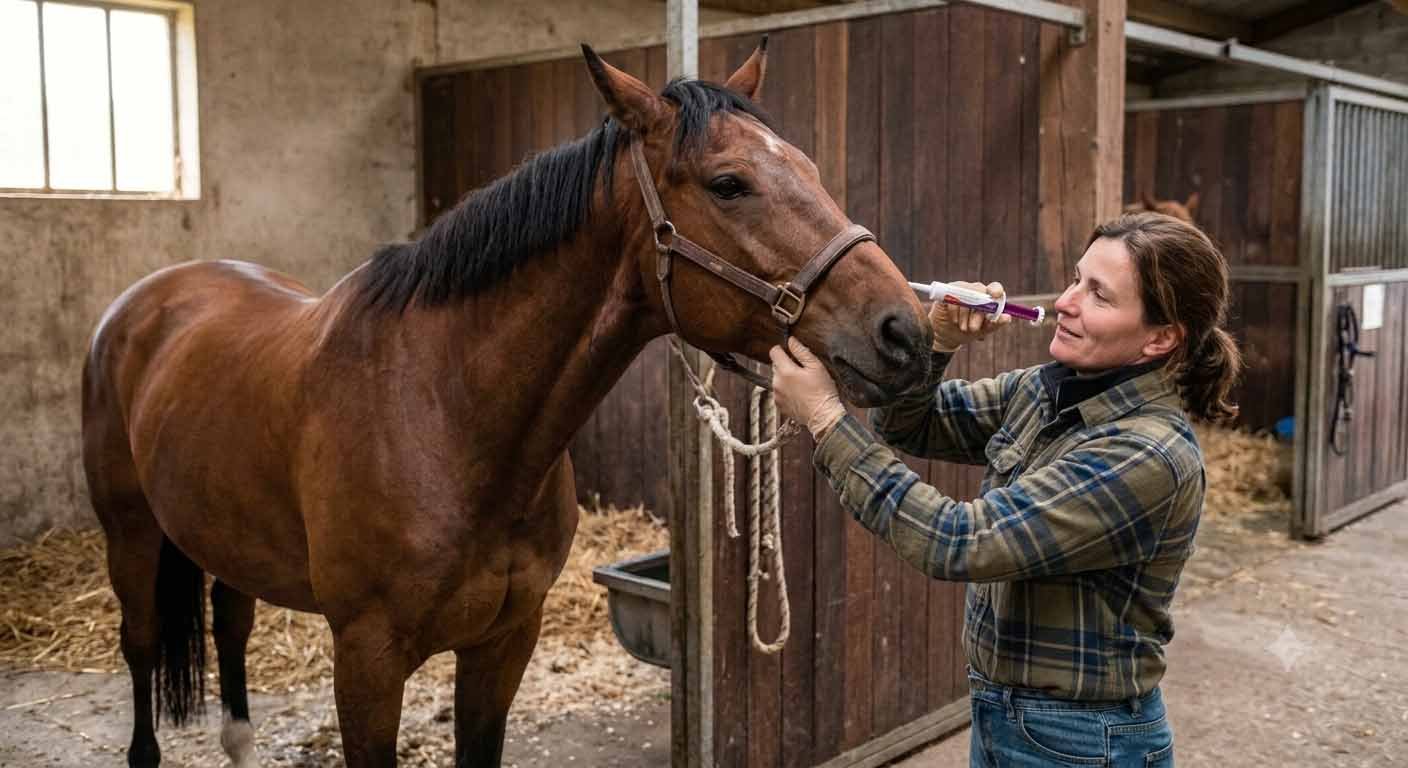
- Fomites (Contaminated Objects & Humans): This is the most common way humans accidentally spread the virus. Fomites include shared water buckets, bit wipes, grooming brushes, pitchforks, trailers, and caretakers' hands, boots, and clothing.
Environmental contamination is a critical factor: EHV-1 can survive on moist organic surfaces, unwashed boots, and wooden stalls for up to 7 to 21 days under favorable conditions.
The 2-Check Protocol: Early Detection and Temperature Tracking
Fever is almost always the first red flag of EHV-1 reactivation or infection—often appearing 24 to 48 hours before any nasal discharge, cough, or neurological gait changes emerge. An equine fever is defined as a rectal temperature exceeding 101.5°F (38.6°C).
To implement an effective equine biosecurity protocol, facility managers and show competitors should adopt the Twice-Daily Temperature Check Routine:
- Log Temperatures AM & PM: Check and record temperatures every morning and evening at the same times.
- Establish a Baseline: Know each horse’s normal resting temperature (typically between 99.0°F and 100.5°F).
- Immediate Isolation Threshold: Any temperature reading above 101.5°F requires immediate physical isolation of the horse and notification of your attending veterinarian.
Manual paper log sheets clipped to stall doors are easily lost, damaged, or overlooked during busy horse show schedules. Using a centralized digital tracking tool ensures temperature logs are updated in real-time, sending automated alerts to barn owners and trainers the moment a fever spike is recorded.
Step-by-Step Biosecurity Blueprint for Horse Barns & Ranches
Whether you manage a 50-stall hunter/jumper facility, an AQHA breeding farm, or a private boarding ranch, applying AAEP-recommended biosecurity measures protects your horses and your business from catastrophic quarantines.
1. Enforce a Strict 21-Day Isolation for New & Returning Equines
Any horse arriving from a competition, public sale, or outside facility should be quarantined in a designated isolation area for a minimum of 21 days. The isolation stall must have a separate airspace, located at least 30 feet (ideally 50+ feet) away from resident horses, with no shared turnout paddocks.
2. Eliminate Shared Equipment and Water Sources
Never share water buckets, feed tubs, bits, sponges, or grooming kits between horses. At competitions, avoid communal water troughs entirely. When filling buckets with a hose, keep the nozzle elevated above the water line to prevent cross-contamination.
3. Implement Personnel Hygiene and Traffic Flow
Always care for healthy resident horses first, leaving quarantined or returning horses for last. Caretakers must wash or sanitize hands, change outer clothing, and step through disinfectant footbaths (using EPA-registered, EHV-1 effective disinfectants like Virkon S or accelerated hydrogen peroxide) before moving between barn zones.
4. Maintain Digital Records for CVI, Coggins, and Vaccinations
Interstate haulers and major show venues regulated by US Equestrian (USEF) or state departments of agriculture require up-to-date Certificates of Veterinary Inspection (CVI / Health Papers) and negative Coggins test results within 12 months (or 6 months in outbreak areas). Keeping these documents digitalized guarantees instant compliance verification during haul-ins.
How Digital Health Data Prevents Barn Outbreaks
When an EHV-1 alert is issued in your region, speed of execution determines whether your facility stays open or gets locked down by state veterinarians. Manually cross-referencing paper receipts, vaccination booklets, and travel history for dozens of horses creates dangerous delay.
By leveraging a modern platform like Foalia's equine herd management and digital health app, farm owners and trainers can transform their biosecurity stance:
- Instant Temperature & Health Logging: Staff members log daily AM/PM temperatures directly from their smartphones, creating permanent, auditable health records.
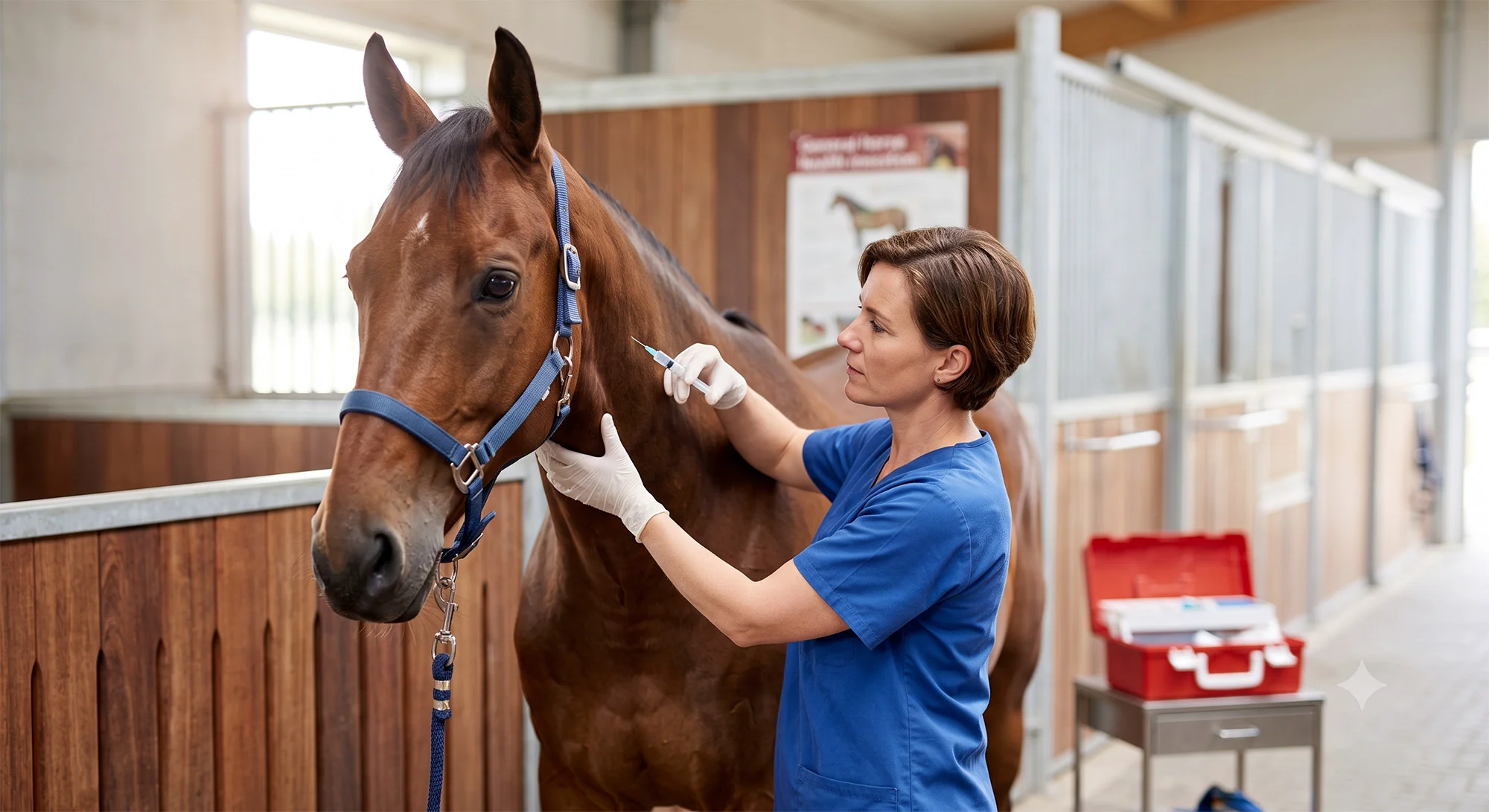
- Automated Vaccination Reminders: Track USEF 6-month EHV-1/4 and Equine Influenza booster requirements, receiving automated alerts prior to expiration dates.
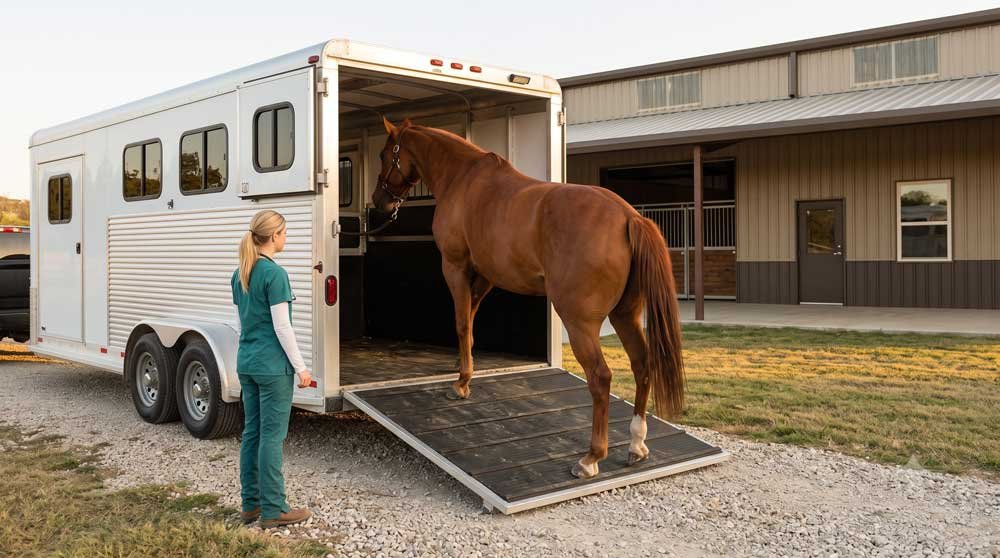
- Centralized Travel & Movement History: Log every haul, show venue, and pasture transfer to ensure precise contact tracing if an outbreak hits a show you attended.
- Breeding & Gestation Safeguards: Safeguard pregnant broodmares by segregating them into protected health groups and monitoring vaccine schedules for EHV-1 abortion prevention (administered at 5, 7, and 9 months of gestation).
Key Takeaways for Farm Managers & Horse Owners
EHV-1 and EHM are constant realities in the American horse landscape, but outbreaks are not inevitable. Disease prevention relies on proactive biosecurity, daily health monitoring, and complete record transparency. By monitoring rectal temperatures twice daily, quarantining returning horses, and using digital health management tools to track health papers and vaccines, you protect your horses, safeguard your financial investment, and keep your barn operational.
Streamline Your Barn’s Biosecurity with Foalia
Protecting a herd from infectious diseases, tracking interstate travel papers, and maintaining daily health logs shouldn't be a paper headache. When health compliance matters most, having your entire facility's data centralized in your pocket makes all the difference.
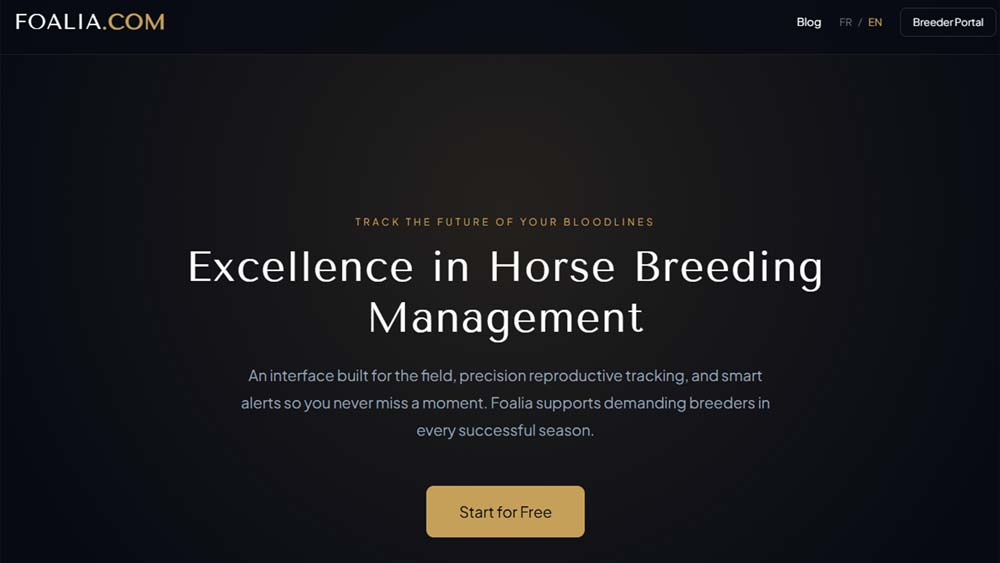
With our connected equine health record and barn management software, you can log temperatures in seconds, receive automated vaccine alerts, track CVI/Coggins expiration dates, and maintain full herd compliance in real-time. Simplify your daily workflow and focus on what matters most—your horses.
Frequently Asked Questions
Does the EHV-1 vaccine protect my horse from EHM (neurological form)?
No. While current EHV-1/EHV-4 vaccines are highly effective at reducing respiratory illness, viral shedding, and late-term abortions in broodmares, no vaccine currently on the market is licensed by the USDA to prevent the neurological form (EHM). Biosecurity and quarantine remain the only proven defenses against EHM.
What is considered a fever in a horse, and how often should I check it?
A rectal temperature above 101.5°F (38.6°C) is considered a fever in adult horses. During an active EHV-1 outbreak or when traveling to competitions, horse owners should check and log temperatures twice daily (morning and evening).
How long should I quarantine a horse returning from a show or new facility?
The AAEP and USDA-APHIS recommend a quarantine period of at least 21 days for equines arriving from outside facilities or high-density events. Isolated horses should be housed in a separate airspace with dedicated equipment and separate caretakers if possible.
Can humans spread EHV-1 between horses?
Yes. EHV-1 spreads easily on hands, clothing, boots, and unsterilized tack. Caretakers handling multiple horses should wash hands, change outer garments, and use footbaths when moving from isolation or high-risk zones to resident horse barns.
How does digital health software help during a disease outbreak?
Digital management software allows barn managers to log daily temperatures electronically, receive automated fever alerts, instantly verify CVI and Coggins compliance, and provide state veterinarians with complete contact-tracing records if an exposure occurs.