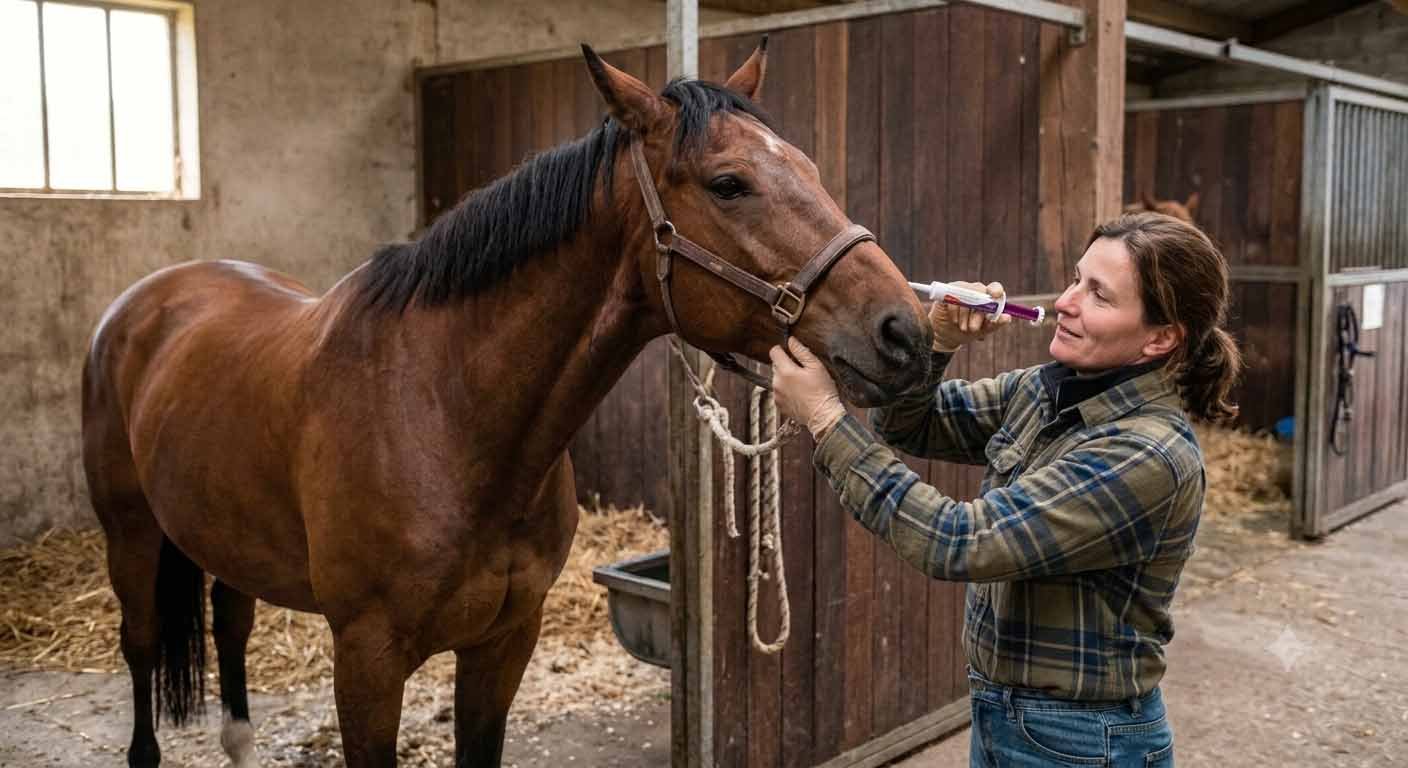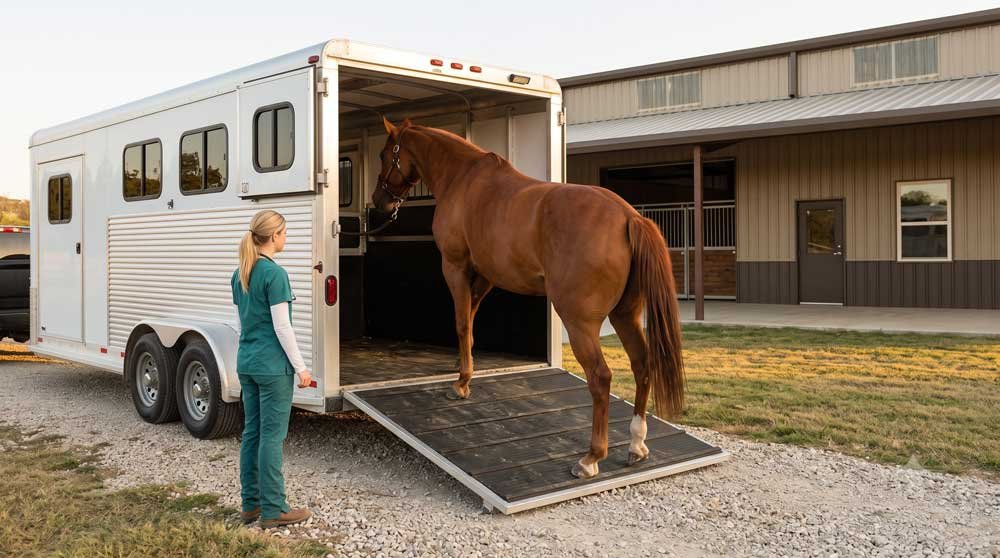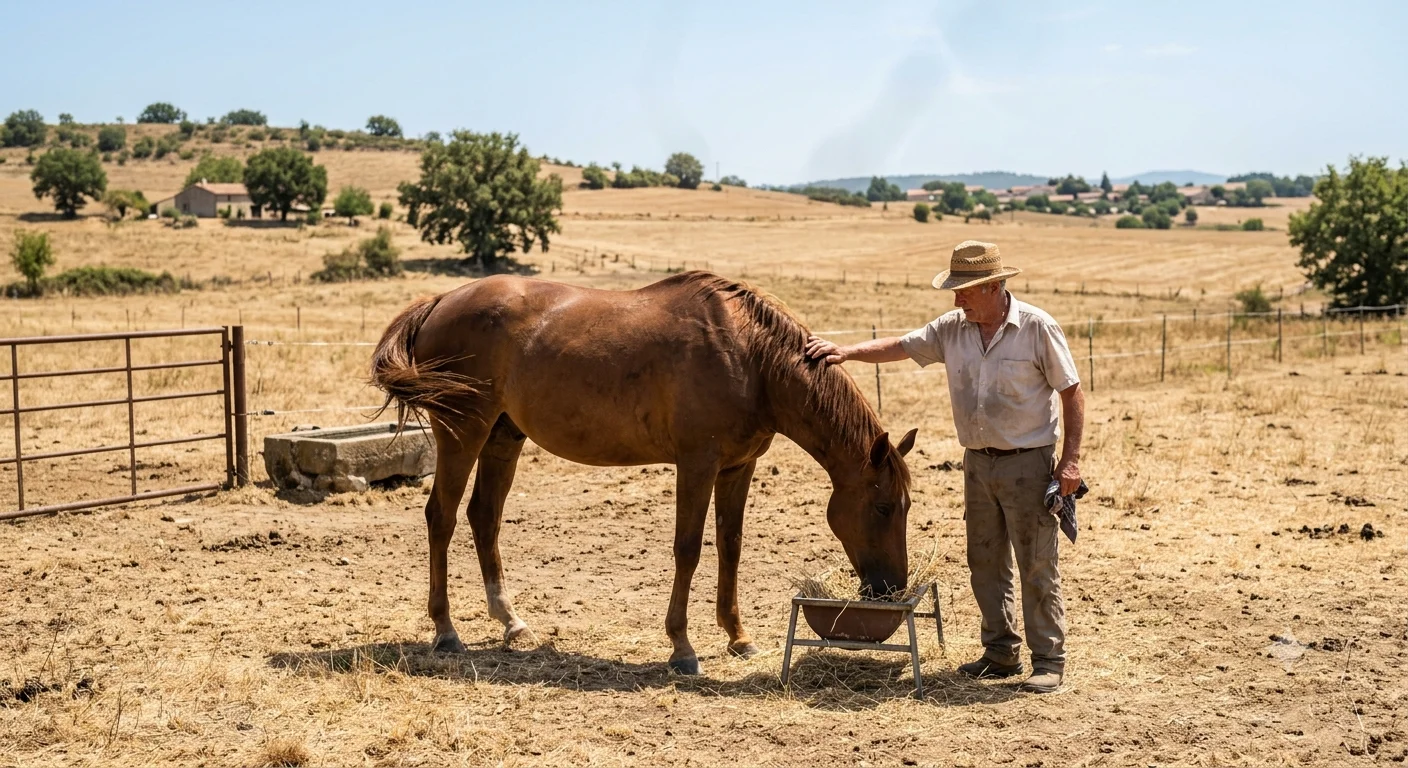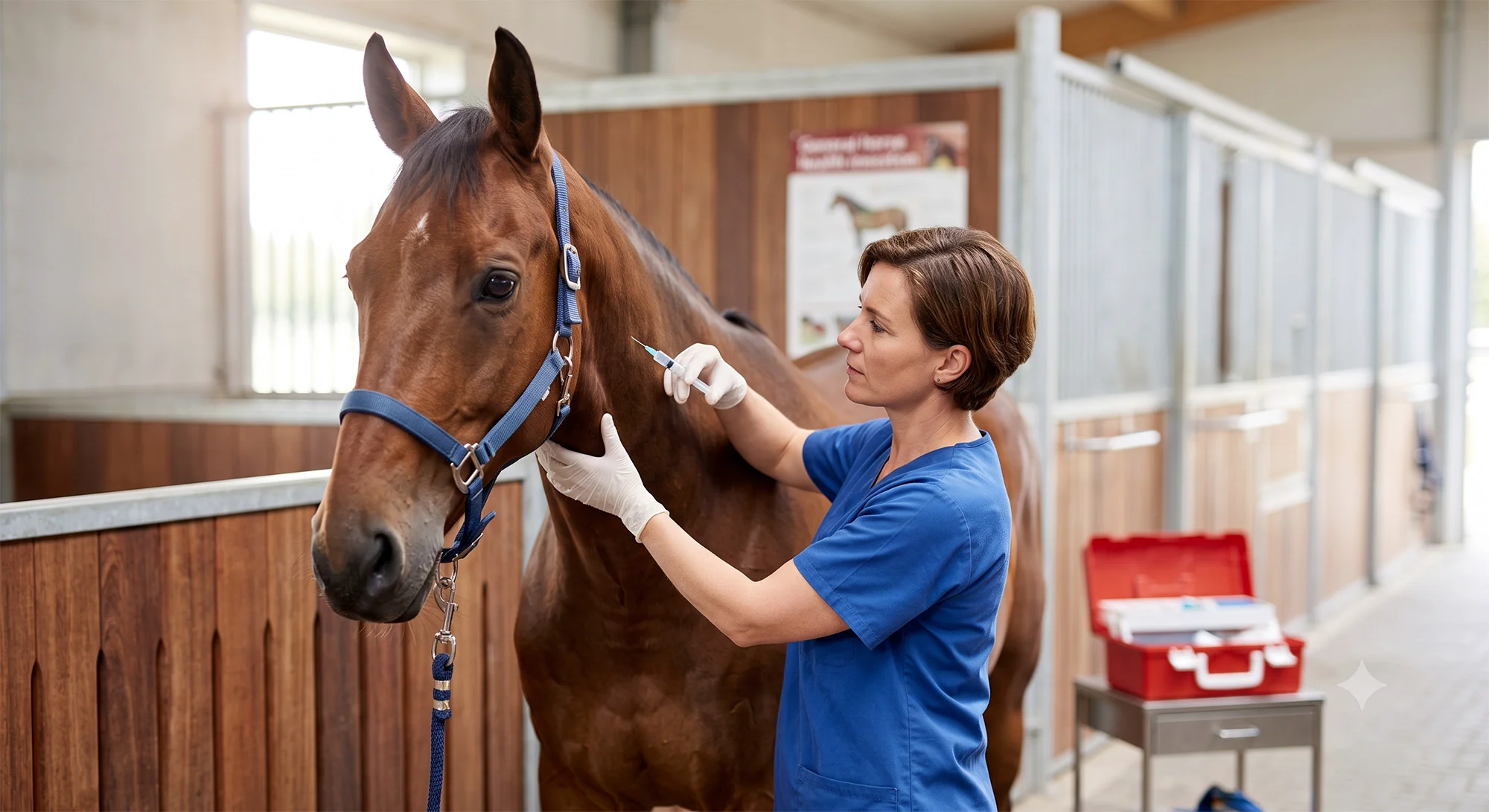
An infected horse can contaminate others dozens of feet away simply by coughing. This is why an entire barn can be affected overnight. Equine influenza is one of the most feared respiratory diseases among breeders, as it spreads quickly, sidelines horses for several weeks, and disrupts the entire show season.
This disease is not a theoretical threat. Since the first report by the surveillance network on November 25, 2025, viral circulation has intensified in France, with over 30 reported cases across several regions. Understanding the signs, transmission modes, and vaccination protocols is essential for every horse owner. Please note that these figures refer to French regulatory standards.
Understanding Equine Influenza and its Viral Agent
Equine influenza, or horse flu, is a highly transmissible respiratory infection affecting horses, donkeys, mules, and their crosses. It is present in most parts of the world.
The causative agent is an influenza type A virus. According to the IFCE, two subtypes can affect horses: H7N7 and H3N8. These viruses evolve over time, gradually evading the horse's immune response, which necessitates updates to vaccine compositions.
Good news, however: no transmission of the disease from horses to humans, or vice versa, has ever been observed. The public health risk remains negligible, even though the disease takes a heavy toll on the equine industry.
A Virus That Mutates, But Slowly
Unlike the human influenza virus, the equine influenza virus mutates more slowly. This advantage facilitates the production of effective vaccines. Monitoring circulating strains remains essential to ensure that vaccine formulations continue to protect against viruses present in the field.
Recognizing Symptoms in Horses
The incubation period is very short: only 1 to 5 days. This explains the lightning speed at which the disease breaks out in a herd. The first signs often appear in several horses simultaneously.
The most common symptoms of equine influenza are:
a high fever, with a rectal temperature of 104°F to 106°F (40-41°C);
marked depression, loss of appetite, and general fatigue;
a dry cough, sometimes spasmodic and painful;
nasal discharge that is initially clear, then becomes mucous;
muscle soreness and lethargy.
In adult horses, mortality is nearly zero. The danger primarily comes from secondary bacterial infections, such as pneumonia, which can take hold in weakened mucous membranes. Young foals, being more vulnerable, can die from pulmonary complications.
How the Virus Spreads on a Farm
Transmission occurs primarily through the air. When an infected horse coughs, it projects fine droplets loaded with the virus. These secretions can contaminate animals at a distance and affect the entire respiratory tract of unvaccinated equines in a very short time.
The virus also spreads indirectly: via the hands of handlers, brushes, equipment, horse trailers, or clothing. While it does not survive long in the environment, it can still contaminate through objects handled in contact with horses. Animal density and movement are the main factors in propagation.
The risk is highest during gatherings. The French Veterinary Academy emphasizes that vigilance must be increased as the show season approaches, when horses from different barns mingle in large numbers.
Diagnosis and Treatment
How can you be sure it is the flu? Symptoms, particularly a more intense fever and higher contagiousness than other respiratory diseases, point toward the diagnosis. However, only laboratory analysis provides certainty.
Two approaches exist: virus detection via nasopharyngeal swab and antibody detection via blood test. Serology can be complex to interpret in a vaccinated horse, sometimes requiring two samples taken 15 days apart.
Regarding treatment, it must be clear: there is no medication effective against the virus itself. Management is symptomatic. Your veterinarian may prescribe antipyretics and anti-inflammatories to relieve fever and coughing, and antibiotics only in the event of secondary bacterial infection.
Strict rest is the most important therapeutic measure: an affected horse must remain calm for at least three weeks to avoid pulmonary or cardiac complications.
Vaccination: The Pillar of Prevention
Faced with a disease that has no curative treatment, vaccination against equine influenza is the primary defense. Its efficacy and safety are well-documented; it significantly reduces clinical signs and viral shedding, limiting spread.
Standard primary vaccination consists of two injections one month apart, followed by a first booster about six months later. Immunity appears about 15 days after the second injection and lasts between 6 and 12 months, highlighting the importance of regular boosters.
Protocols vary according to official use:
Context | Primary Vaccination | Boosters |
|---|---|---|
FFE Competitions | 2 injections, 21 to 92 days apart | At least annually (max 365 days) |
FEI Competitions | 2 injections, 21 to 92 days apart | Every 6 months + 21 days |
Racing | 2 injections | 1st booster at 150-215 days, then every 6 months |
Broodmares | According to vaccine label | Booster 4 to 6 weeks before foaling |
Boosting the broodmare before foaling is strategic: it optimizes the transfer of antibodies to the foal via colostrum. According to an IFCE webconference, vaccination coverage is very high in France, which explains why the country has been less affected than its neighbors in recent years. To never miss a deadline, our connected veterinary health record automatically calculates vaccine booster dates for every horse.
Why Can a Vaccinated Horse Still Get Sick?
Total protection, known as sterilizing immunity, is rarely achieved. Antigenic drift allows certain strains to evade antibodies produced by vaccination. A vaccinated horse can therefore be infected, but it will develop a milder form and shed significantly less virus.
Biosecurity and Outbreak Management
When a case is confirmed, responsiveness makes all the difference. The first rule is to immediately isolate affected horses and suspend all movement of equines into and out of the facility.
Biosecurity measures to apply include:
disinfecting equipment or using single-use supplies;
installing footbaths at the entrance to infected areas;
establishing a care circuit, moving from healthy animals to sick ones;
changing clothing between groups if staff is shared;
disinfecting trailers, trucks, and facilities, with a sanitary downtime before any reintroduction.
These precautions must continue for 21 days after the last feverish horse. The threat remains current: while the winter episode seemed to be receding, several cases were reported again in the spring of 2026 in France, prompting owners to maintain high sanitary vigilance.
Finally, remember the legal framework: Article L228-3 of the French Rural Code severely punishes those who voluntarily contribute to spreading an epizootic disease among domestic vertebrates. The responsibility of organizers and participants in gatherings is therefore engaged.
Anticipate with Digital Herd Management
Prevention relies on rigor: respected booster dates, monitored temperatures, and accessible health history. Managing this data by hand, on paper records or scattered spreadsheets, opens the door to oversights. A missed booster means an exposed horse.
This is where a centralized tool changes the game. We have designed a platform that combines health records, treatments, care protocols, and automatic calculation of vaccine booster dates. You also receive a personalized daily update on your smartphone, allowing you to anticipate rather than react.
Tracking Method | Vaccine Boosters | Centralized History | Automatic Alerts |
|---|---|---|---|
Paper record | Manual, risk of forgetting | No | No |
Spreadsheet | Manual | Partial | No |
Our Foalia connected health record | Automatic date calculation | Yes, complete | Yes, multi-channel |
Beyond the health aspect, our network of geolocated SOS alerts allows you to mobilize neighboring farms in case of emergency, a valuable asset when every hour counts in the face of a new outbreak.
Protecting Your Farm in France
Equine influenza remains a permanent threat to French horse farms, but it is not inevitable. Three habits form your shield: keep vaccinations strictly up to date, apply simple daily biosecurity measures, and react quickly to the slightest sign of fever or coughing. Strain monitoring and good national vaccination coverage have proven effective. At the barn level, your organization and responsiveness will make the difference against the virus.
Take Action with Foalia
Managing the health of your herd should never rely on your memory alone. Between vaccine deadlines, care protocols, and broodmare tracking, the mental load adds up quickly. You deserve a tool that centralizes everything and alerts you at the right time.
With Foalia, you have a connected veterinary health record that automatically calculates booster dates, a compliant breeding register, and geolocated SOS alerts for neighborly support. Discover how to centralize your equine farm management and free yourself from paperwork to focus on your horses.
Frequently Asked Questions
Is equine influenza transmissible to humans?
No, no transmission of the disease from horses to humans, or vice versa, has ever been observed. The equine influenza virus remains distinct from the human flu virus. The public health risk is therefore considered negligible.
How long should a horse rest?
An affected horse must remain on strict rest for at least three weeks. Resumption of work must be very gradual to allow respiratory mucous membranes to heal. A sport horse may take up to three months to return to full physical condition.
At what age should a foal be vaccinated?
It is generally recommended to vaccinate foals starting at six months of age. If the mare was vaccinated before foaling, vaccination that is too early could be hindered by maternal antibodies. Your veterinarian will adapt the protocol to each situation.
Can a vaccinated horse still catch the flu?
Yes, because total protection is rarely achieved and some strains escape antibodies through antigenic drift. However, a vaccinated horse will develop a significantly milder form. It will also shed much less virus, which limits contagion.
How can I avoid forgetting vaccine booster dates?
Centralized tracking prevents costly oversights. Our connected health record automatically calculates booster dates for each horse and sends you alerts. You keep your vaccination coverage up to date without the effort of memorization.